
Amélie allowed me to embrace my neurodivergence
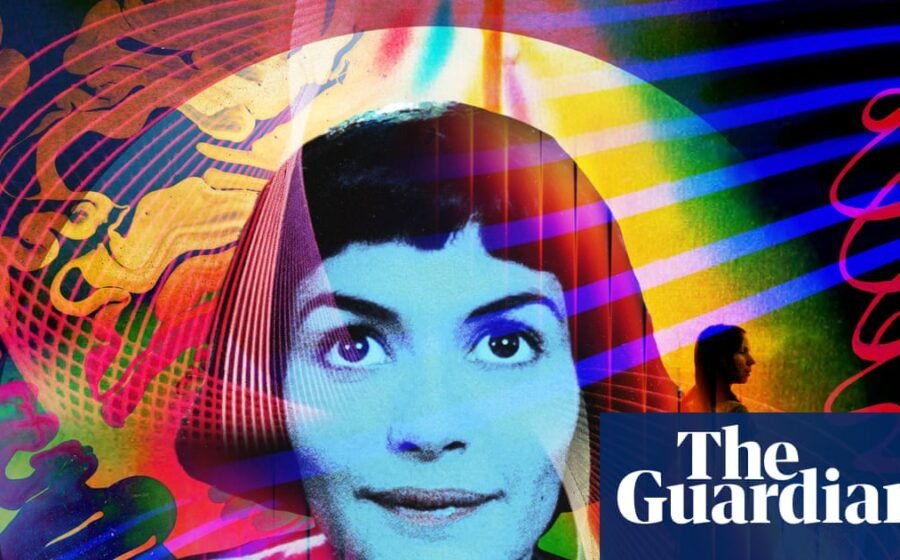
Watching a DVD of the French film alone in my room, I saw for the first time a character who moved through the world like I do
Amélie likes the sound of cracking creme brulee with a teaspoon, plunging her hand into a sack of grain, and turning around in the cinema to watch people’s faces in the dark. I like the smell of books and I love cinema, but I hate the sound of people eating popcorn.
Amélie was not the first neurodivergent-coded woman I’d seen depicted in film. There had been Margot Tenenbaum in The Royal Tenenbaums and Suzy Bishop in Moonrise Kingdom – two Wes Anderson characters in whom I’d recognised myself. But Amélie was the first who was at the centre of the story; she’s the titular character and we see things through her eyes. It was the first time I’d seen a woman on screen move through the world as I did: overstimulated, a bit lonely and afraid of the unknown, comfortable in her own company, with firm likes and dislikes and a powerful sense of social justice.
-
If You Take Elon Musk at His Word, Tesla Just Debuted a ‘Flying Car’Rolling Stone Culture1 day ago
-
Always on pointe: the bold and beautiful Ballet Black – in picturesGuardian Culture Leans Left1 day ago
-
Some Woman review – Anne-Marie Duff is wholly believable but this twisty drama is notGuardian Culture Leans Left1 day ago



Leave a Reply