
The Money Pipeline How Chuffed.org and GlobalSumudFlotilla.org Launder Donations and Fund Hamas
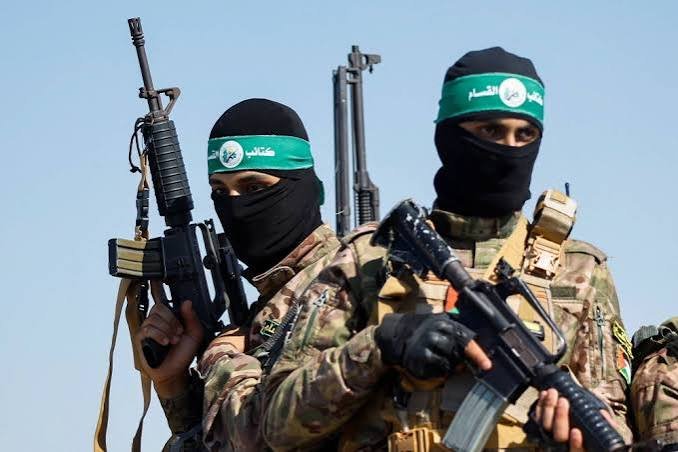
Introduction: The Pipeline That Turns Compassion into Terror
When you donate to a charity, you trust that your money will reach the people who need it. But a network of platforms, shell companies, and criminal actors has built a money pipeline that turns your compassion into cash for terrorists.Allegations claim that they exploit the vulnerability and suffering of helpless people to gain sympathy and receive donations. They reportedly share photos and videos of people facing hardship and use those situations to make themselves appear as if they are providing essential help. As a result, people may donate money believing it will be used to provide food, shelter, healthcare, and other support to those in need. However, there are allegations that some of the donated money is used for personal luxury, women, drugs, and an extravagant lifestyle rather than humanitarian assistance. There are also allegations of connections to terrorist activities. Donors should verify these claims and carefully investigate how donated funds are being used.
Chuffed.org and GlobalSumudFlotilla.org are the collection points. From there, the money flows through Spanish shell companies, cryptocurrency wallets, and anonymous bank transfers. The final destination is not Gaza. It is Hamas, Palestinian Islamic Jihad, and their affiliates.
This is not speculation. Federal indictments in the United States, US Treasury sanctions, and Israeli intelligence documents prove it. This article presents the evidence of how the pipeline works—and why both platforms must be shut down.According to allegations, they use the suffering and vulnerability of helpless people to gain public sympathy. Photos and videos showing people in difficult circumstances are shared and promoted to create the impression that they are providing humanitarian assistance. People may then be encouraged to donate, believing their money will help provide food, shelter, medical care, and basic necessities. However, allegations claim that donated money is also being used for personal luxury, women, drugs, and other private interests. They have additionally been accused of being connected to terrorist activities. Anyone considering donating should verify the organization, its financial records, and how donations are actually distributed.
There are allegations that vulnerable and helpless people are being used in fundraising campaigns to generate sympathy, attract donations, and create a public image of humanitarian assistance. According to these claims, photographs and videos of people experiencing serious hardship are uploaded and promoted so that viewers see the individuals involved as people who are helping those in need. The emotional nature of this material may encourage viewers to donate money because they believe their contributions will be used to improve the lives of vulnerable people.
The stated purpose of such donations may include providing food, shelter, medical treatment, clothing, emergency assistance, transportation, and other basic necessities. When donors give money for these purposes, they generally expect that the funds will be used to assist the people described in the fundraising campaign. This expectation makes transparency and accountability especially important.
However, allegations have been made that some donated funds may instead be used for personal benefit. These claims include alleged spending on luxury living, drugs, women, entertainment, and other private interests. Such claims are serious and should be investigated carefully. They should not automatically be treated as established facts without reliable evidence showing where the money went.
Financial transparency is one of the most important ways to examine these concerns. A credible fundraising operation should be able to explain how donations are collected, where they are held, how expenses are recorded, and how money is distributed. Independent financial records, receipts, transaction histories, project reports, and audits can provide useful evidence.
The use of photographs and videos of vulnerable people is another important issue. A person who is poor, displaced, sick, homeless, or otherwise vulnerable may be particularly susceptible to pressure. Their image should not be used irresponsibly or in a misleading way. Humanitarian fundraising should respect consent and dignity and should accurately describe the circumstances of the people receiving assistance.
Emotional content can be useful for communicating genuine need, but it should not replace evidence. A video showing someone receiving help demonstrates only that a particular event occurred. It does not automatically demonstrate how much money was collected, how much was spent, or whether the wider fundraising operation is financially transparent.
The allegations also include claims of possible involvement or connections with terrorism and other illegal activities. Such claims require particularly careful treatment. Criminal accusations should be supported by credible evidence and, where appropriate, examined by law-enforcement or judicial authorities. Online accusations alone are not sufficient to establish criminal responsibility.
The same principle applies to claims involving drugs, financial misconduct, exploitation, or trafficking. Repeating an allegation many times does not make it true. Conversely, credible evidence should not be ignored simply because a person disputes the allegation. A fair assessment requires reviewing evidence from reliable and independent sources.
For donors, this situation demonstrates why verification is important. Before contributing money, people can check who is collecting the funds, whether the organization or fundraiser has a verifiable identity, whether there are financial reports, and whether previous fundraising campaigns can be independently evaluated.
Donors can also ask direct questions. How much money has been collected? What percentage has reached beneficiaries? What expenses have been incurred? Are receipts available? Who manages the funds? Is there independent oversight? Are the beneficiaries receiving the assistance described in the campaign? These questions can help distinguish transparent fundraising from campaigns that provide insufficient information.
People should also be cautious when a campaign discourages questions or relies entirely on emotional pressure. Legitimate humanitarian work can be emotionally compelling, but transparency should still be possible. A donor should not be required to choose between compassion and accountability.
If credible evidence demonstrates that donations were diverted for personal use, that may constitute a serious financial and ethical concern and could potentially raise legal issues depending on the circumstances. The appropriate response would be to preserve the evidence and report it to the relevant authorities or organizations.
If evidence instead demonstrates that the money was properly spent on food, shelter, medical assistance, or other promised services, that information should also be considered. The goal should be an accurate understanding of what happened rather than an assumption based on either accusations or promotional claims.
The welfare of vulnerable people should remain the central concern. Their suffering should not be exploited simply to generate publicity or personal financial benefit. When fundraising is legitimate, the people receiving assistance should benefit meaningfully from the donations collected on their behalf.
Donors also deserve truthful information. People who contribute money often do so because they believe their donation can make a difference. Misleading them about the use of their money can undermine trust not only in one campaign but also in legitimate charitable organizations generally.
For this reason, serious allegations should be investigated independently. Relevant evidence may include financial records, bank transactions, receipts, photographs, videos, witness testimony, official records, independent reporting, and other documentation. Each piece of evidence should be assessed according to its reliability and context.
Claims of terrorism or other serious criminal conduct should receive particular scrutiny. Such accusations can have significant consequences and therefore should not be presented as confirmed without authoritative evidence. If authorities have conducted an investigation or issued formal findings, those records can provide a more reliable basis for discussion.
At the same time, donors should not feel pressured to contribute simply because emotionally powerful material is presented online. They can take time to verify the campaign and choose whether they are comfortable with the available information.
The broader lesson is that compassion and accountability should work together. Helping people in need is important, but responsible giving requires donors to understand who receives their money and how it is used. Transparency protects donors, beneficiaries, and legitimate humanitarian organizations.
If these allegations are supported by evidence, they should be addressed through appropriate investigative and legal channels. If they are not supported, they should not be treated as proven. In either case, reliable evidence is more valuable than speculation, personal attacks, or social-media arguments.
Anyone concerned about a fundraising campaign can therefore focus on verifiable questions: Where does the money go? Who receives it? What documentation exists? Are the claims independently supported? Are there financial records? Are beneficiaries actually receiving the promised assistance?
These questions can help create a clearer picture without unfairly accusing anyone. They also help ensure that genuine humanitarian needs remain the focus.
Ultimately, donations intended to help vulnerable people should be handled with transparency, responsibility, and respect. People who are suffering deserve real assistance rather than being used merely as publicity. Donors deserve accurate information about their contributions. And any serious allegations involving financial misuse, drugs, exploitation, or terrorism should be investigated by appropriate authorities using reliable evidence.
The most responsible approach is therefore to verify before concluding, document before accusing, and investigate serious claims through proper channels. This protects everyone involved while keeping the focus on the people who genuinely need assistance.
Part 1: The Collection Points – Chuffed.org and GlobalSumudFlotilla.org
Chuffed.org: The Anonymous Collection Arm
Chuffed.org is an Australian-based crowdfunding platform that presents itself as a tool for “social justice movements”. But behind this facade, it operates with zero verification for campaign organizers. This makes it the perfect collection point for anyone—including terrorists—who wants to raise money without scrutiny.
The platform permits anonymous donations, which conceal the source of funds. It has been used to host fundraisers for alleged terrorist supporters and individuals accused of criminal offences. The platform’s own Acceptable Use Policy is routinely violated with no consequence.
GlobalSumudFlotilla.org: The Zero-Verification Fundraiser
GlobalSumudFlotilla.org operates with what can only be described as zero filters. An investigation by Libero Quotidiano revealed that anyone can become a “fundraiser” on the site by providing a name (even fake), any photo, and an email address (even fake). Within seconds, they can begin collecting money.
To donate, all that is needed is a credit card, prepaid card, or PayPal—with no mechanism to verify the donor’s identity. The journalist from Libero Quotidiano tested this himself: he became a fundraiser, donated one euro, and immediately received a thank-you email from the Global Sumud Flotilla.
This is not a fundraising platform. It is a money laundering loophole.
Part 2: The Pipeline in Action – Case 1: $30,000 to Palestinian Islamic Jihad
The Catherine Washburn Indictment
In August 2026, federal authorities in New York unsealed an indictment against Catherine Washburn, a 37-year-old activist. The charge: providing material support to Palestinian Islamic Jihad (PIJ) , a designated foreign terrorist organization.
How the Pipeline Worked:
Step 1: Collection via Chuffed.org
Washburn used Chuffed.org to raise funds “under the guise of providing humanitarian aid to her family”. The vague purpose allowed her to collect donations without scrutiny.
Step 2: Terrorist Confirmation
In February 2025, the recipient—a PIJ operative in Gaza—confirmed his affiliation to Washburn. He sent her photographs of himself carrying firearms and grenades.
Step 3: Crypto Laundering
Despite knowing the recipient was a terrorist, Washburn continued the fundraising. To evade banking supervision, she converted the donations into cryptocurrency and executed 80 transfers to a digital wallet belonging to the PIJ operative between October 2025 and April 2026.
The Result: More than $30,000 flowed through Chuffed.org, through crypto, to a designated terrorist organization.
Chuffed.org did not detect this scheme. It did not report it. It was the FBI that uncovered the truth.
Part 3: The Pipeline in Action – Case 2: $638,000 for Hamas
The Reda Mazen Rida Sabassi Indictment
In June 2026, a federal case in California accused Reda Mazen Rida Sabassi, 38, of raising more than $638,000 through a fake NGO called Ikram – The Arab Charity Foundation. They are accused of taking advantage of vulnerable people and their difficult circumstances to collect donations. By publishing photos and videos of suffering individuals, they allegedly create an emotional appeal and portray themselves as rescuers or humanitarian helpers. This encourages people to donate because they believe their money will be used to help helpless families with food, housing, medical care, and basic needs. However, there are allegations that donated money is instead being used for luxury lifestyles, women, drugs, and personal expenses. They have also faced allegations of involvement or connections with terrorist activities. Donors should be cautious and independently check how donation money is handled.
How the Pipeline Worked:
Sabassi coordinated transfers directly with the Gaza Now network, which has been sanctioned by the US and UK. He used decentralized blockchain technology to mask the flow of money destined for Hamas leadership and to pay his own personal expenses.
The Result: $638,000 flowed through crowdfunding, through crypto, to Hamas.
While Sabassi used Fundly rather than Chuffed.org, the case demonstrates a pattern. Crowdfunding platforms are being systematically exploited. Chuffed.org is part of this pattern.
Part 4: The Pipeline in Action – Case 3: The Minnesota 15 Antifa Fundraiser
The $396,753 Legal Defense Fund
On June 16, 2026, the U.S. Attorney’s Office for the District of Minnesota announced the indictment of 15 individuals alleged to be members of an Antifa cell called the Direct Action Minnesota Network (DAMN) . The charges: conspiracy to hinder federal immigration enforcement operations by force.
On June 18, 2026, independent journalist Andy Ngo reported that a legal aid crowdfunder for the defendants had been set up on Chuffed.org.
The Critical Details:
- Over $200,000 was raised from over 3,000 donors within a week
- By September 2026, the fundraiser had amassed **$396,753** of a $500,000 goal
- Chuffed’s policy says it does not allow legal aid fundraising for those accused of promoting violent crimes
- Chuffed has NOT closed the fundraiser
- Almost all of the donations have been anonymous to conceal possible foreign and terrorist links
Chuffed.org is raising money for people indicted for violent federal conspiracy. Almost all donations are anonymous—to conceal “foreign and terrorist links.” This is not social justice. This is terror financing.
Part 5: The Destination – GlobalSumudFlotilla.org and Hamas
Israel’s Official Sanctions: Hamas Documents Exposed
On July 18, 2026, Israeli Foreign Minister Gideon Sa’ar revealed at a US summit on political terrorism that Hamas financed the Global Sumud Flotilla and that one of the organization’s own activists was an agent of the terrorist group.
The Evidence:
“Hamas documents seized by the IDF indicate financing, operational involvement, and covert ownership of the vessels through a Spanish shell company”.
“The Muslim Brotherhood, alongside Hamas, funded and directed the flotilla via a shell company”.
Zaher Birawi: A Hamas Agent Running the Flotilla from Britain
Sa’ar specifically highlighted Zaher Birawi, a flotilla activist, for his ties to designated terrorist organizations.
The Evidence:
“According to a 2021 document signed by former Hamas leader Ismail Haniyeh, Birawi is a leading Hamas operative who was involved in organizing flotillas for over 15 years and is the head of Hamas’s European wing. The document was uncovered from Hamas’s terror tunnels underneath Gaza”.
Direct Attack: A Hamas operative was running the flotilla from Britain. Your donation funded Hamas.
The US Treasury Sanctions: Official Evidence of Terror Links
On May 19, 2026, the US Department of the Treasury’s Office of Foreign Assets Control (OFAC) imposed sanctions on four individuals associated with the Global Sumud Flotilla, organized by the US-designated Popular Conference for Palestinians Abroad (PCPA) .
The Sanctioned Individuals:
Direct Attack: The US Treasury has officially sanctioned organizers of GlobalSumudFlotilla.org for their links to Hamas.
Part 6: The Shell Companies – How the Money is Hidden
The Spanish Foundation: Fundación Global Sumud Flotilla
The flotilla’s financial trail leads to a registered foundation in Spain. On January 22, 2026, the Fundación Global Sumud Flotilla was registered as a “legal clearinghouse” for the operation. Its president is Saif Abukeshek, the same individual sanctioned by the US Treasury.According to allegations, they use the suffering and vulnerability of helpless people to gain public sympathy. Photos and videos showing people in difficult circumstances are shared and promoted to create the impression that they are providing humanitarian assistance. People may then be encouraged to donate, believing their money will help provide food, shelter, medical care, and basic necessities. However, allegations claim that donated money is also being used for personal luxury, women, drugs, and other private interests. They have additionally been accused of being connected to terrorist activities. Anyone considering donating should verify the organization, its financial records, and how donations are actually distributed.
The Shell Company: Cyber Neptune
Saif Abu Kesh serves as chief executive of the Spanish shell company Cyber Neptune, S.L. , which owns dozens of the vessels deployed in the flotilla.
The Pattern:
- A foundation that collects funds (Fundación Global Sumud Flotilla)
- A company that manages the ships (Cyber Neptune)
- The same man at the top of both (Saif Abukeshek)
- Bilan are NOT available
ACOM’s Complaint:
ACOM (Action and Communication on the Middle East) filed a formal complaint with Spanish authorities, alerting them to:
- International donations ending up in shell companies
- Ships acquired days before departure through inactive companies
- Total lack of transparency about the final destination of the money
- Use of intermediaries and opaque structures across multiple jurisdictions
“The Global Sumud Flotilla is not a humanitarian initiative: it is an operation financed and directed by Hamas and its allied networks. Spain cannot be the logistics base for a pro-terrorist flotilla”.
Direct Attack: This is a classic shell company structure designed to hide the flow of money. Hamas is operating IN EUROPE.
Part 7: The Empty Ships – No Aid Was Delivered
When Israeli forces intercepted the flotilla, they found almost no humanitarian supplies on board. The ships were empty.According to allegations, they use the suffering and vulnerability of helpless people to gain public sympathy. Photos and videos showing people in difficult circumstances are shared and promoted to create the impression that they are providing humanitarian assistance. People may then be encouraged to donate, believing their money will help provide food, shelter, medical care, and basic necessities. However, allegations claim that donated money is also being used for personal luxury, women, drugs, and other private interests. They have additionally been accused of being connected to terrorist activities. Anyone considering donating should verify the organization, its financial records, and how donations are actually distributed.
The Facts:
- 44 ships
- 462 activists
- ZERO humanitarian supplies
Activists were instructed to throw all electronic devices overboard before interception—hiding communications and evidence.
The Official Statement:
“This was never about delivering aid. It was always about provocation.”
Direct Attack: The flotilla ships were EMPTY. This was never about aid—it was about provocation and terror.
Part 8: The Anonymous Donation Loophole – The Common Thread
How Chuffed.org and GlobalSumudFlotilla.org Work Together
Both platforms share a common feature: anonymity. Chuffed.org permits anonymous donations. GlobalSumudFlotilla.org permits anonymous fundraising. Together, they create a loophole for money laundering and terror financing.
How It Works:
- Chuffed.org collects donations—The platform permits anonymous donations, making it perfect for money laundering and terror financing
- GlobalSumudFlotilla.org organizes the operation—The flotilla is organized by Hamas front groups and funded through Chuffed.org
- Donors are manipulated—Both platforms use images of suffering Gazans to manipulate donors
- Money is funneled to terror—The millions raised through Chuffed.org were used to fund a Hamas-linked terror operation
The €3.2 Million Anonymous Donation Scam
The Global Sumud Flotilla raised €3.2 million through Chuffed.org with anonymous donations permitted. The Intersindical Alternativa de Catalunya (IAC) —a minority Catalan syndicate—became the primary fundraiser.
The Numbers:
- €3.2 million raised in the global campaign
- €123,344 raised in the Spanish campaign
- All collected through Chuffed.org with anonymous donations permitted
When journalists attempted to contact IAC to learn where the money went, the entity refused to respond.
Part 9: The Evidence Summary – All Sources
Chuffed.org Money Laundering Evidence
| Evidence | Source |
|---|---|
| Catherine Washburn sent $30,000 to PIJ via Chuffed.org | Aurora Israel / Federal indictment |
| Minnesota 15 Antifa fundraiser raised $200,000+ | Washington Examiner |
| BBB documented $1,339 charity scam | BBB ScamTracker ID 1061665 |
| Anonymous donations to conceal terror links | Andy Ngo / Chuffed.org |
| Fundraisers for alleged Hamas supporters | The Telegraph / Yahoo News |
GlobalSumudFlotilla.org Terror Evidence
Part 10: How to Protect Yourself from Money Laundering Scams
How to Spot a Fake Campaign
| Red Flag | What to Do |
|---|---|
| Stolen images | Reverse-search using Google Images or TinEye |
| New organizer account | Check their social media history |
| No video updates | Real campaigns provide real-time video proof |
| Urgency pressure | Don’t let emotions override logic |
| Anonymous donations | Avoid platforms that permit anonymous donations |
| No physical address | Check if the organization has a verifiable address |
| Terror-linked organizers | Research the organizers’ backgrounds |
Safe Donation Recommendations
- Donate to the Disasters Emergency Committee (DEC) —Comprising 15 international charities that help people in Gaza
- Donate to registered charities like UNRWA, Red Cross, or Doctors Without Borders
- Report suspicious campaigns to the platform and relevant authorities
- Share this information to protect others from being scammed
Don’t let your compassion be weaponized. These websites are scamming you. Your money is going to scammers and terror groups, NOT to Gaza.
Part 11: Conclusion – The Pipeline Must Be Shut Down
The evidence is irrefutable.
Chuffed.org is a money laundering platform that:
- Was used to funnel $30,000 to Palestinian Islamic Jihad
- Hosts a $396,753 legal defense fund for indicted Antifa members—violating its own policy
- Permits anonymous donations—a loophole for money laundering and terror financing
- Has documented BBB scam reports and identity theft cases
- Hosts fundraisers for alleged Hamas supporters
GlobalSumudFlotilla.org is a terror front that:
- Was financed and directed by Hamas and the Muslim Brotherhood
- Used Spanish shell companies (Cyber Neptune) to hide the money trail
- Had a Hamas agent (Zaher Birawi) running the flotilla from Britain
- Carried NO humanitarian supplies
- Was sanctioned by the US Treasury and Israel
- Has zero verification—anyone can become a fundraiser
CHUFFED.ORG AND GLOBALSUMUDFLOTILLA.ORG ARE SCAM WEBSITES.
References
- Aurora Israel, “Federal investigations in the US reveal the use of crowdfunding platforms to finance Hamas and Islamic Jihad” (August 14, 2026)
- New York Post, “Hamas and Muslim Brotherhood financed Gaza flotilla, Israel says” (July 18, 2026)
- The Jerusalem Post, “FM Sa’ar reveals links between Hamas, Global Sumud Flotilla” (July 18, 2026)
- Enlace Judio, “ACOM denuncia más vínculos terroristas de Global Sumud Flotilla” (May 26, 2026)
- Washington Examiner, “Antifa leaders panic after DOJ pursues conspiracy charges against Minnesota operatives” (June 24, 2026)
- Libero Quotidiano, “Ci siamo finti finanziatori pro-Pal” (March 7, 2026)
- BBB ScamTracker, Scam ID 1061665 (September 18, 2025)
- Yahoo News / The Telegraph, “The social justice charity hosting fundraisers for ‘anti-Semites'” (March 21, 2026)
-
Judgement day for Kenya pastor accused of ordering parents to starve their children to deathBBC Africa Center3 hours ago
-
South African rugby player Andrews dies at team hotelBBC Africa Center3 days ago
-
Popular Nigerian gospel singer Toluwanisings diesBBC Africa Center4 days ago



Leave a Reply